Community
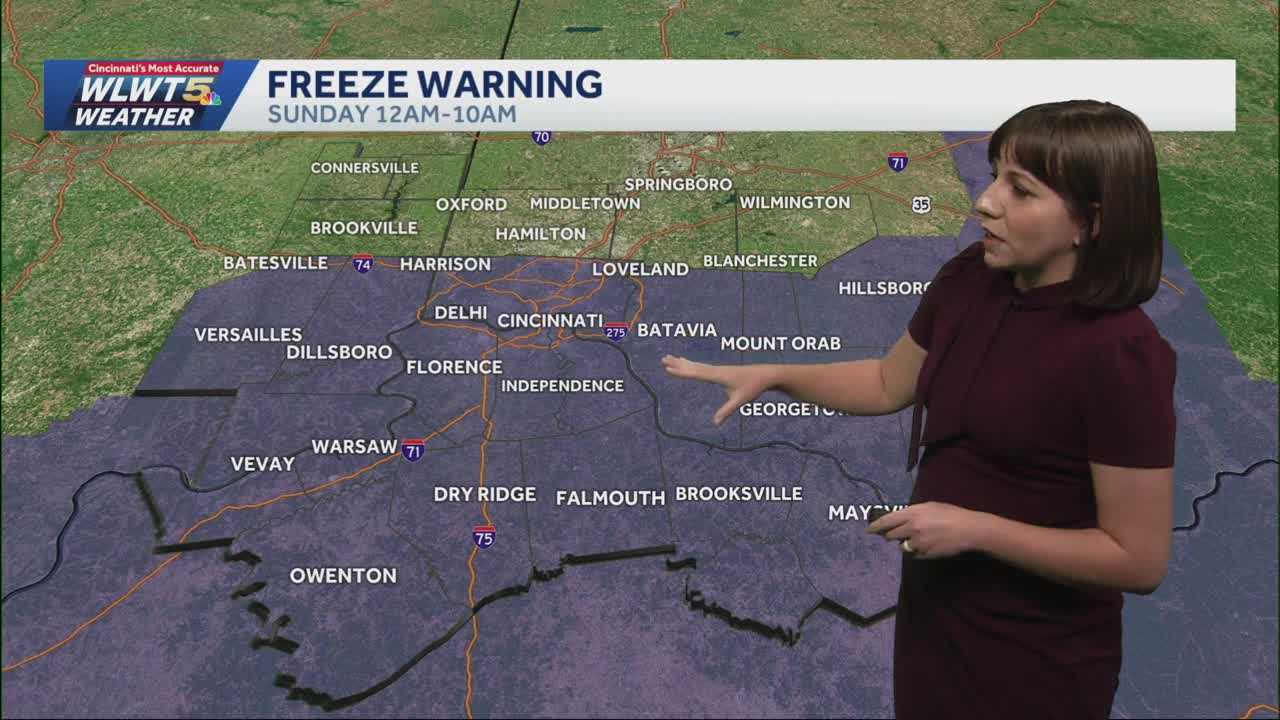
Freeze warning in place for Greater Cincinnati tonight
By Julia Thompson
Advertisement · Why this ad?
Evan is a graduate of Northern Kentucky University, where he studied Journalism and Community Engagement. He has reported on local events and issues for the past three years through various platforms, focusing on grassroots initiatives that uplift the community.
More from Evan →
In a city that loves its football heroes, a new study reveals a troubling truth about the legacy of the game. The findings suggest that a staggering 75% of former NFL players who passed away between 2008 and 2023 suffered from Chronic Traumatic Encephalopathy (CTE), shining a light on the hidden struggles faced by these athletes long after their playing days concluded.
This groundbreaking research, recently published, estimates that approximately three in four former NFL players who died during that 15-year period had the degenerative brain disease linked to repetitive head trauma. The revelation hits home for Cincinnati, a city that has long cherished its football culture, prompting a deeper conversation about player safety and the long-term effects of the sport on the lives of our beloved local heroes.
The study, spearheaded by the Boston University CTE Center, represents a significant advancement in understanding the prevalence of CTE among former professional football players. It builds upon years of research by leading neuropathologists like Dr. Ann McKee, who has been at the forefront of identifying and characterizing this devastating condition.
Dr. McKee, a prominent figure in brain injury research, has consistently highlighted the urgent need for greater awareness and preventative measures. Her work, and that of her colleagues, underscores the heartbreaking contrast between the glory of the game and the hidden pain endured by its players, often manifesting years or even decades after retirement.
The findings indicate a far higher prevalence rate than earlier estimates, painting a stark picture of the challenges faced by those who dedicated their lives to the sport. From 2008 to 2023, a significant majority of deceased former NFL players whose brains were examined showed definitive signs of CTE, a condition that can lead to memory loss, confusion, impaired judgment, aggression, depression, and progressive dementia.
Chronic Traumatic Encephalopathy is not a new discovery, but its widespread impact is only now being fully understood. It is a progressive neurodegenerative disease caused by repeated head injuries, including concussions and subconcussive hits that don't always present immediate symptoms. The disease can only be definitively diagnosed post-mortem through brain tissue examination.
Researchers at Boston University have meticulously examined hundreds of brains donated by former athletes, revealing the tell-tale tau protein deposits characteristic of CTE. This meticulous scientific process allows for a clearer understanding of the disease's progression and its varied manifestations, from subtle behavioral changes to severe cognitive decline.
The study’s methodology involved a comprehensive analysis of brain tissue from former NFL players who passed away within the specified timeframe, providing robust data on the disease's prevalence. This scientific rigor is crucial for informing future policy and support systems for athletes, both current and retired, across all levels of contact sports.
The symptoms of CTE can be insidious, often emerging years after an athlete has retired from play. Families frequently report personality changes, including increased irritability, impulsivity, and even violent outbursts, which can strain relationships and lead to profound personal struggles. These changes often leave loved ones bewildered and heartbroken, struggling to understand the person their hero has become.
Beyond behavioral issues, cognitive decline is a hallmark of CTE, impacting memory, executive function, and overall mental clarity. The disease can mimic other neurological conditions, making diagnosis challenging during life and underscoring the importance of ongoing research into neurological disorders and brain health.
For us here in Cincinnati, this isn't just a national headline; it hits incredibly close to home. Our beloved Cincinnati Bengals have a rich history, and many incredible athletes have given their all on the gridiron for our city. The thought that some of these heroes may have suffered silently, battling a disease that robbed them of their later years, is deeply unsettling.
The community has always rallied around its Bengals, celebrating their triumphs and supporting them through challenges. Now, there's a growing awareness that the challenges extend far beyond the playing field, touching the very fabric of their lives and the lives of their families. This calls for a collective introspection on how we support those who have given so much for our entertainment and civic pride.
Many former players, both from the Bengals and other teams, have settled in the Ohio Valley, raising families and contributing to our communities. Their stories, often untold, are a powerful reminder of the human cost behind the game. It’s a call to action for us to ensure that the legacy of these men is not just their athletic prowess, but also a catalyst for greater care and understanding.
The impact of CTE extends far beyond the individual player, profoundly affecting their spouses, children, and extended family. These families often navigate immense emotional and financial burdens, dealing with the progressive decline of a loved one who was once a pillar of strength. The importance of strong, committed marriages and intact families becomes acutely clear in these trying circumstances, as they provide the essential support network needed to face such profound challenges.
Organizations like the NFL Players Association (NFLPA) have recognized these struggles and work to provide resources and support. The NFLPA offers various programs aimed at assisting former players and their families, including health benefits, disability assistance, and mental health resources. These initiatives are vital in helping families cope with the long-term effects of brain injuries.
The NFL has also taken steps to address player safety, implementing rule changes aimed at reducing head contact and investing in research. The NFL's Player Health and Safety initiatives are a testament to the league's evolving understanding of the risks involved in professional football. However, the recent study suggests that much more needs to be done to protect athletes throughout their careers and into retirement.
The Centers for Disease Control and Prevention (CDC) provides valuable information on traumatic brain injury (TBI) and concussion, emphasizing the importance of recognizing symptoms and seeking appropriate medical care. This public health perspective is crucial for educating athletes, coaches, and parents at all levels of sport.
Financial settlements, such as the NFL concussion settlement, have provided some relief to former players and their families, offering compensation for certain neurological conditions. While these settlements address past harms, the focus must also be on prevention and ongoing support for current and future generations of players.
Advocacy groups and foundations dedicated to brain injury research play a critical role in raising awareness and funding for ongoing studies. The Brain Injury Alliance, for instance, works to provide support, education, and advocacy for individuals with brain injuries and their families. Their efforts are essential in ensuring that no family walks this difficult path alone.
The conversation around CTE and player safety extends beyond professional sports, impacting youth athletics as well. Organizations like the National Federation of State High School Associations (NFHS) provide guidelines and resources for concussion recognition and management in high school sports, aiming to protect younger athletes from potential long-term damage.
As the community reflects on these sobering findings, it sparks a hope for change and a renewed commitment to protecting future generations of athletes. This includes continued investment in brain health research, developing safer equipment, and implementing stricter protocols for concussion management across all levels of football.
The lessons learned from the struggles of former NFL players must inform how we approach youth sports. Emphasizing proper technique, limiting contact, and prioritizing a player's long-term health over short-term gains are paramount. Parents, coaches, and league officials all have a role to play in fostering a culture of safety and responsibility.
Ultimately, the goal is to ensure that the game of football, which brings so much joy and camaraderie, can be played safely, allowing athletes to enjoy long, healthy lives with their families after their careers conclude. By embracing scientific understanding and compassionate action, we can honor the legacy of those who have suffered and build a brighter, safer future for our beloved sport.
By Julia Thompson

By Evan Fields

By Julia Thompson

By Julia Thompson