Community
EXPLAINER: What does 'yes' or 'no' vote mean for Ohio Issue 3?
By Julia Thompson
Advertisement · Why this ad?
Julia is a Cincinnati native with a strong passion for local issues, having spent the last three years writing for Cincinnati Magazine. She studied Journalism at the University of Cincinnati and focuses on neighborhood stories that inspire community engagement and action.
More from Julia →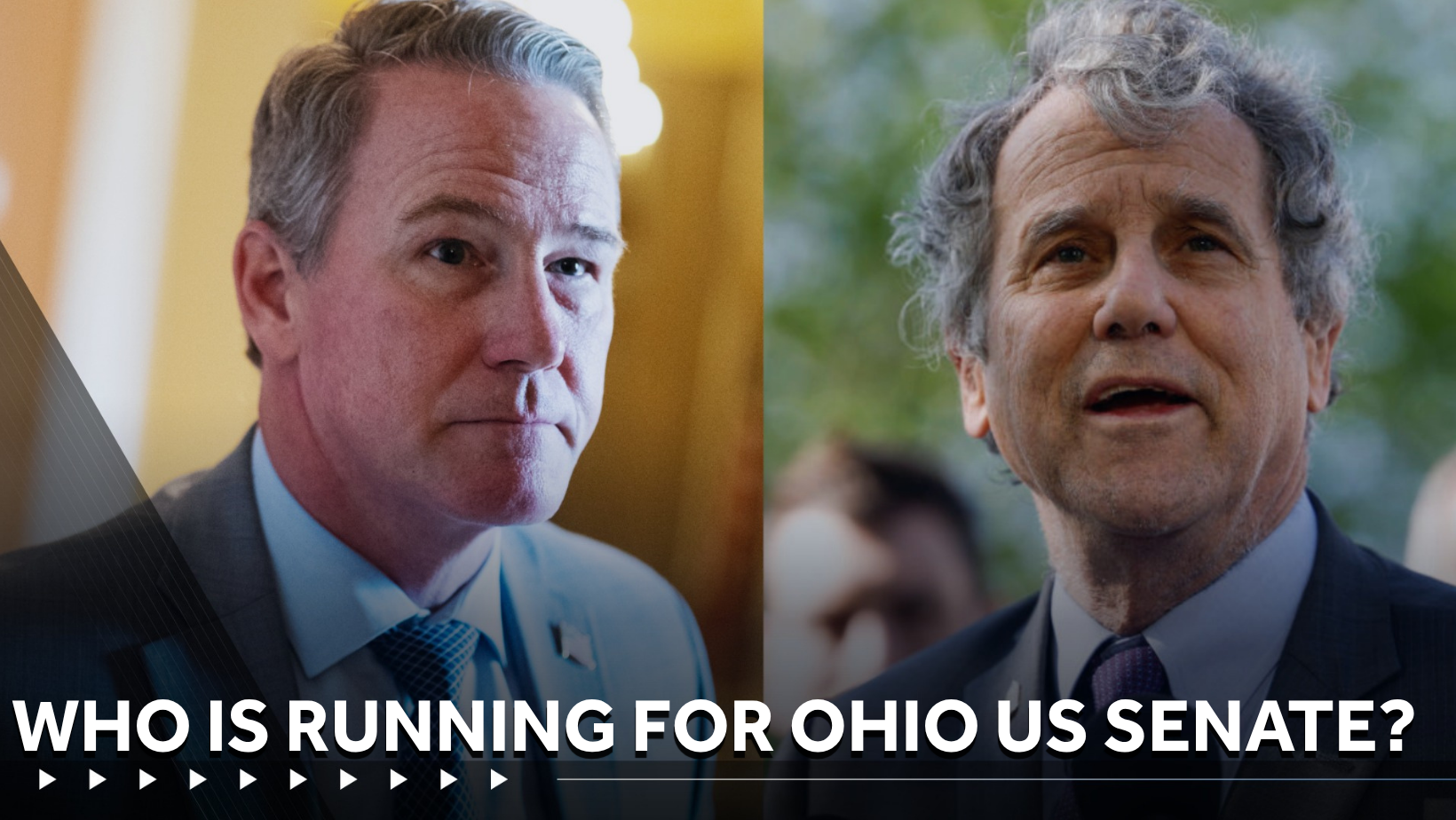
As the leaves begin to turn and the crisp autumn air settles in, Ohioans find themselves at a pivotal moment in the state’s political landscape. In a bustling coffee shop in downtown Cincinnati, I overheard a group of friends animatedly discussing the upcoming election. "I just want to know who I can trust to represent us in Washington," one young woman said, her brow furrowed in concern. Her words echoed a sentiment shared by many as the special election for Ohio’s U.S. Senate seat draws near.
This year, Ohio is gearing up for a significant special election to fill the U.S. Senate seat previously held by Republican Rob Portman, who announced his retirement in January 2021. The election is set for November 7, 2023, and it has attracted a diverse slate of candidates eager to take the reins and represent Ohio’s interests on a national stage. With issues such as the economy, healthcare, and education at the forefront of voters' minds, the stakes couldn't be higher.
The candidates vying for this influential position include prominent names from both sides of the political aisle. On the Democratic side, Congressman Tim Ryan is a familiar face, having served in the U.S. House of Representatives since 2003. His campaign has focused on revitalizing Ohio’s manufacturing sector and improving access to healthcare. Ryan has made a point to connect with voters by sharing personal stories about his upbringing in the Mahoning Valley, a region that has faced economic challenges but is ripe with potential.
On the Republican front, J.D. Vance, author of the bestselling memoir "Hillbilly Elegy," has emerged as a leading candidate. Vance’s platform emphasizes the importance of family values, economic growth, and a strong national defense. His narrative resonates with many in Ohio, particularly those who relate to his experiences growing up in a working-class family.
As I spoke with residents across Cincinnati, it became clear that many are passionate about the upcoming election. "We need someone who understands our struggles," said Maria, a mother of three who works two jobs to make ends meet. "I want a senator who will fight for working families like mine." Her words reflect a broader sentiment in the community, where economic issues resonate deeply. Many families are feeling the pinch of inflation and rising costs of living, making it essential for candidates to address these concerns directly.
Local business owner John Smith shared his thoughts on the candidates. "I’m looking for someone who will support small businesses and help us grow. This election is crucial for our future," he said, emphasizing the need for economic policies that benefit all Ohioans. Smith's sentiments are echoed by many in the local business community, which has been affected by recent economic shifts and is looking for leadership that prioritizes sustainable growth and innovation.
In response to the heightened interest in the election, various community organizations are stepping up to engage voters. The City of Cincinnati is hosting town hall meetings to allow residents to voice their concerns and ask questions of the candidates. These gatherings have become a vital platform for constituents to connect with those who aspire to represent them. At these meetings, residents are not just listening to candidates; they are sharing their stories and the unique challenges they face, from healthcare access to job security.
Additionally, organizations like League of Women Voters are working tirelessly to ensure that all voices are heard. Their efforts are crucial in a time when voter turnout can significantly impact election outcomes. Volunteers are canvassing neighborhoods, registering voters, and providing nonpartisan information about the candidates and issues on the ballot. This grassroots activism is vital in a state where every vote counts, especially in such a closely watched election.
As Election Day approaches, candidates are ramping up their campaigns, making appearances at local events, and reaching out to voters through social media. Tim Ryan has been actively engaging with communities across the state, emphasizing his commitment to listening to the needs of Ohioans. His campaign has included visits to local schools, factories, and community centers, where he discusses his plans to revitalize the economy and support education. Meanwhile, J.D. Vance has been focusing on rallying support among conservative voters, highlighting his vision for a stronger Ohio. His appearances often emphasize traditional values and the importance of community, resonating with many voters who feel overlooked by the political establishment.
With early voting starting soon, many residents are preparing to cast their ballots. The Ohio Secretary of State's office has made it easier than ever for voters to access information about polling locations and voting methods. As the election draws near, the sense of urgency is palpable. Local media outlets are ramping up their coverage, providing voters with the latest updates and insights into the candidates' platforms. This increased visibility is essential for ensuring that voters feel informed and empowered to make their choices.
This special election is not just about filling a seat; it’s about the future of Ohio and the values that will guide its leaders. As families gather around their dinner tables to discuss the election, it’s clear that the choices made on November 7 will have lasting effects on the community. Issues such as healthcare access, education funding, and job creation are not just political talking points; they are the realities that families face every day.
In a state where strong marriages and intact families are the backbone of society, the candidates’ positions on family-related issues will play a crucial role in shaping voter preferences. Ohioans are looking for leaders who reflect their values and prioritize the well-being of families. As the community prepares for the election, discussions about how policies will affect education, childcare, and healthcare are at the forefront of many conversations.
To assist voters in making informed decisions, various resources are available. The Ohio Secretary of State's website provides comprehensive information on candidates, ballot measures, and voting procedures. Additionally, local libraries and community centers are hosting informational sessions to help residents navigate the electoral process. These sessions are often attended by local leaders and activists who can provide insights into the implications of various ballot measures.
For those looking to engage further, organizations like the Ohio Democratic Party and the Ohio Republican Party offer platforms for voters to learn more about the candidates and their platforms. Social media campaigns are also gaining traction, with both parties using online platforms to reach younger voters and those who may not be engaged in traditional political processes.
As we approach November 7, the importance of civic engagement cannot be overstated. Each vote carries weight, and the collective voice of the community will determine the outcome of this election. It’s a time for Ohioans to come together, reflect on their values, and make choices that align with their vision for the future. Many local organizations are mobilizing efforts to ensure that every voice is heard, and that the community feels empowered to participate in the democratic process.
In a world where division often seems to reign, the upcoming election presents an opportunity for unity and hope. As I left the coffee shop, I felt a renewed sense of purpose in the air. Ohioans are ready to make their voices heard, and as they step into the voting booth, they will carry with them the hopes and dreams of their families and communities. In the days leading up to the election, it will be crucial for every resident to engage with the process, ask questions, and ensure their voices are included in shaping Ohio's future.
By Julia Thompson

By Julia Thompson
By Evan Fields
By Julia Thompson